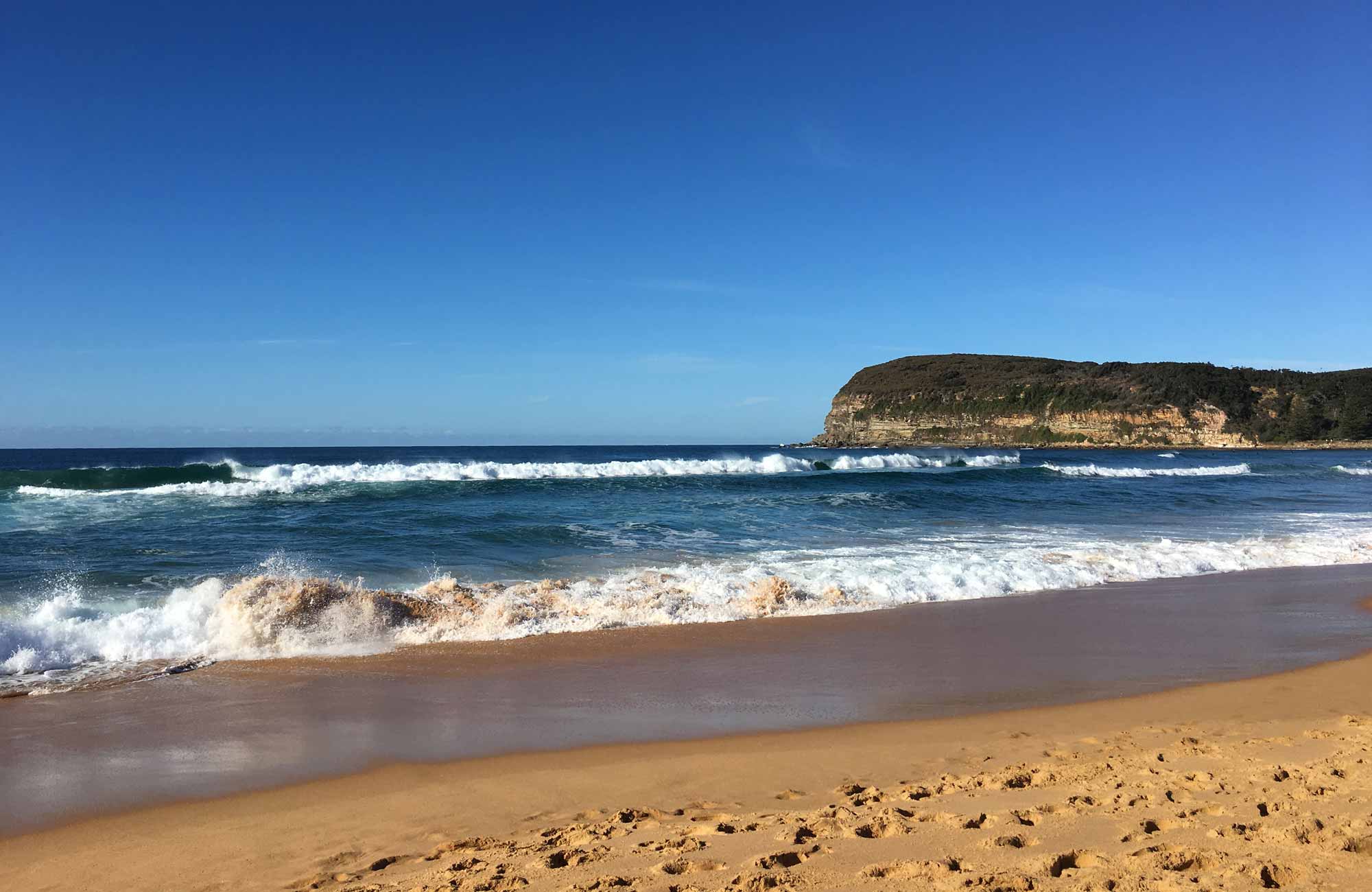






Copacabana


92kms · 90 mins by car
106kms · 102 mins by car
2,809 population (2021 Census)
 Avoca Beach
History
On 7th May 1770, Captain James Cook adventured along the eastern coastline of Australia and recorded in his journal 'some pretty high land which projected out in three bluff points and occasioned my calling it "Cape Three Points"'. These three points are indicated on most Central Coast maps being Bulbararing Point with Tudibaring Head at the north, Mourawaring Point at the southern end of Macmasters Beach, and Bombi Point in the south in Bouddi National Park.
The Bouddi Coastal Walk stretches from Macmasters Beach through to Putty Beach. This 8km one-way walk, taking in Maitland Bay and Little Beach, takes around 4 hours each way and is one of the most spectacular on the Central Coast.
In early European settlement days, Copacabana was known by residents as Tudibaring (an Aboriginal word meaning "where the waves pound like a beating heart"). It was also known as Judi Barn, Allagai (Aboriginal word meaning "a place of snakes"), Kincumber and Macs.
It wasn't until 1954 when Gosford Shire Council granted North Coast Realty Pty Ltd permission to create the subdivision and developers named Copacabana after the world famous Copacabana Beach in Rio de Janeiro 's Brazil.
Attractions
Copacabana features a whale viewing platform. During the winter months between late May and early August, the Humpback Whale can sometimes be seen migrating to the warmer waters of the Central Coast region off the Three Points. The whales often come quite close to the coastline due to the northerly currents at this time of year.
Copacabana is a popular surfing and swimming beach on the Central Coast.

 Catered By Matt
See also:
- Avoca Beach
- Bateau Bay
- Brooklyn
- Budgewoi
- Cams Wharf
- Canton Beach
- Catherine Hill Bay
- Copacabana
- Erina
- Ettalong Beach
- Forresters Beach
- Gosford
- Hardys Bay
- Killcare
- Kincumber
- Lake Macquarie
- Long Jetty
- Norah Head
- Patonga
- Pearl Beach
- Shelly Beach
- Terrigal
- The Entrance
- Toukley
- Tuggerah
- Umina
- Wagstaffe
- Woy Woy
- Wyong
- Local Town Guide Home
- Visitor Information Home

 Information
 Business Directory
 Resources



Central Coast Australia Social Pages